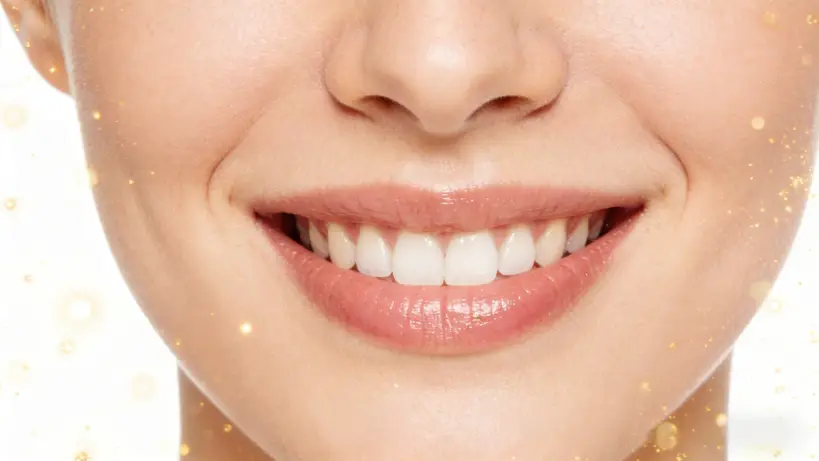
There’s a common misconception in the U.S. skincare industry that anti-aging for white people is simply about wrinkle removal. Most white people have Fitzpatrick Skin Types I-III, featuring low melanin content and a thin stratum corneum. While wrinkles appear early, photoaging caused by UV rays—including hyperpigmentation, enlarged pores and collagen loss—is the core of anti-aging concerns. Single wrinkle removal cannot address root issues like skin laxity and uneven skin tone. Laser anti-aging and AHA chemical peels are precise solutions tailored to their skin traits, which repair collagen and reverse photoaging at the same time.
Myth Busting: Anti-Aging for White Skin Is More Than Just Wrinkle Removal
44.3% of white Americans suffer from sunburn at least once a year, a rate much higher than other ethnic groups, and 70% develop age spots, redness and enlarged pores due to photoaging. Studies confirm that collagen in Skin Types I-III accelerates loss by 1.2% annually after the age of 35. Treatments focusing solely on wrinkle removal fail to improve skin laxity and uneven tone. Scientific anti-aging must target both collagen repair and photoaging reversal.

Laser Anti-Aging: A Precision Tool for White Skin
White skin has a weak melanin barrier, leading to higher tolerance for laser treatments and an adverse reaction rate only one-fifth that of darker skin. Advanced technologies such as the Cynosure 5D Collagen Laser act precisely on the dermis, boosting collagen production by over 53%. Pulsed dye lasers boast an 83.3% effectiveness rate for photoaged white skin, with a complete recovery rate of over 33% and no significant risk of hyperpigmentation, making them the top choice for wrinkle reduction and skin firming.
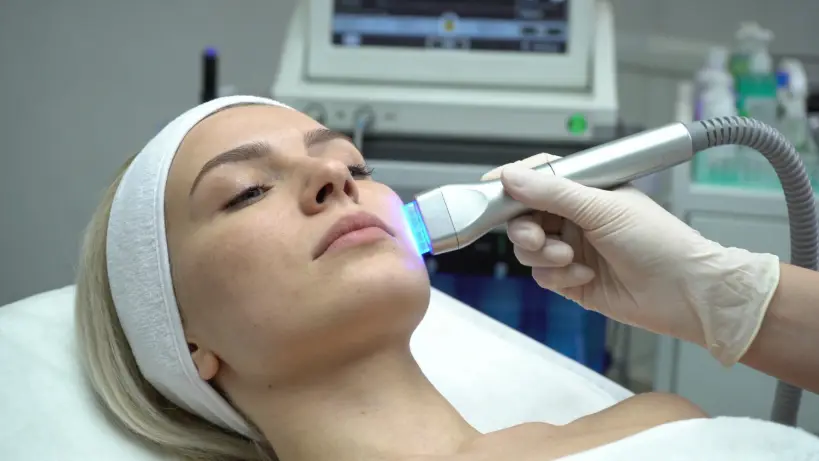
AHA Chemical Peels: A Science-Backed Solution for Photoaging Repair
AHA peels exfoliate dead skin cells and stimulate collagen synthesis, delivering remarkable results for hyperpigmentation and rough skin—common photoaging issues for white people. FDA-certified, these peels have an adverse reaction rate of ≤8% when performed properly. White skin has more active sebaceous glands and stronger repair capabilities, leading to better peeling effects. Superficial peels brighten skin tone by 1-2 shades, and medium-depth peels improve mild to moderate wrinkles by 40%. Long-term use slows collagen loss, and when combined with laser therapy, it comprehensively addresses various signs of skin aging in white people.
Leave a Reply