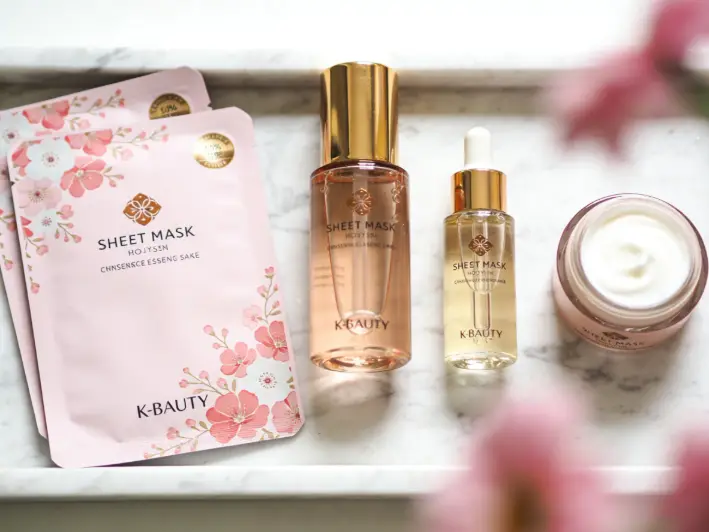
K-Beauty has grown from a niche category in U.S. beauty retail to a fast-expanding core segment of the local skincare market. Fueled by young consumers and social media product discovery, its online engagement and offline retail presence have seen steady growth, reshaping U.S. consumers’ skincare demands and driving the upgrade of the local skincare market.
From Viral Trend to Core Category: K-Beauty’s Market Advancement
K-Beauty first broke into the U.S. market with sheet masks and multi-step skincare routines, and now it has become a fast-growing popular category in both the U.S. prestige and mass skincare sectors, with e-commerce as its core sales channel. Short-form video platforms serve as the key channel for consumers to learn about K-Beauty, making its routine-centric skincare philosophy deeply penetrate the U.S. market.
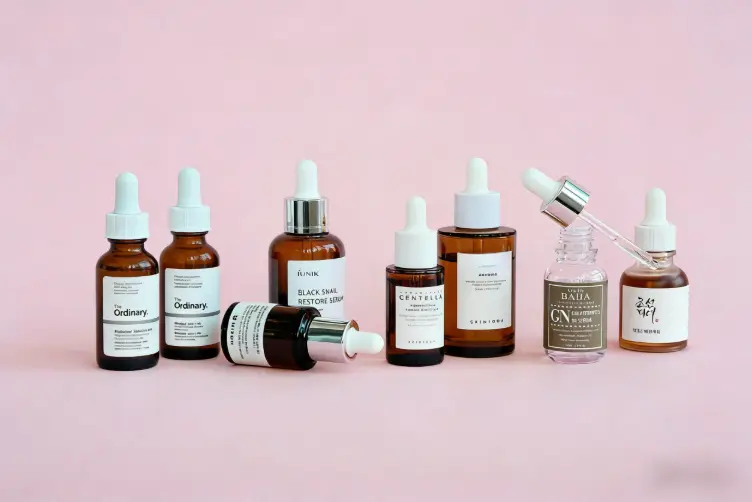
Transparent Ingredients & Cost-Effectiveness: K-Beauty Meets U.S. Consumers’ Core Needs
Preventive skincare philosophy, high ingredient transparency and affordable pricing are the three core advantages that make K-Beauty attractive to U.S. consumers. Its gentle formulations focusing on skin barrier repair and hydration align with consumers’ pursuit of long-term skin health, and are especially favored by Gen Z and millennials, matching their consumption preference for product education and peer recommendations.
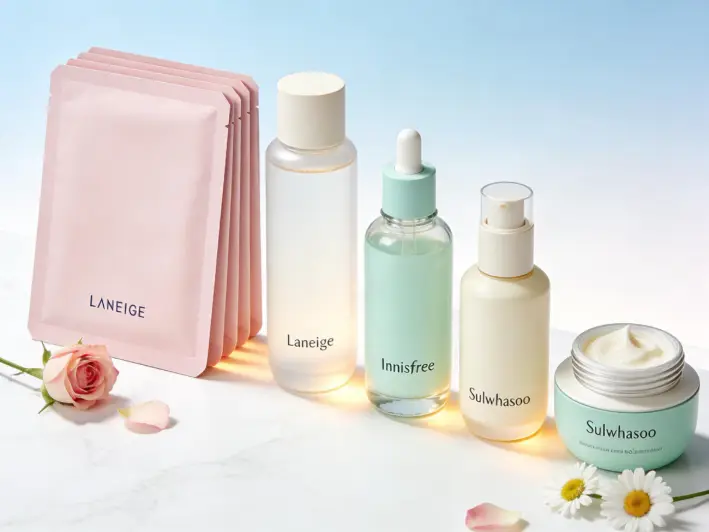
Industry-Wide Adaptation: K-Beauty Drives the Overall Evolution of the U.S. Skincare Market
Major U.S. beauty retailers keep expanding their assortments of Korean skincare products, while domestic and international brands also adjust their strategies to follow K-Beauty’s trends in promoting ingredients and skincare routines. South Korea has become a global powerhouse in cosmetics exports, with the U.S. as its core overseas market. K-Beauty does not replace the local market, but drives the industry towards skincare education, routine normalization and refined daily skin care, also bringing more rational skincare choices to U.S. consumers.
Leave a Reply