
The 2025 US economy underperformed with slow growth and rising unemployment, while higher tariffs and immigration restrictions raised US commercial real estate construction costs. Yet falling interest rates boosted liquidity and AI technology drove transformation, pulling the sector out of high uncertainty. In 2026, commercial real estate leasing and investment confidence is rising, with clear recovery signals and divergent opportunities across segments.
Investment Market: Steady Confidence, Cautious Capital Allocation
The US commercial real estate market is rebalancing with firmer fundamentals. A Deloitte survey found 83% of respondents expect 2026 revenue growth (down slightly from 2025’s 88% but far above 2023 levels), keeping a positive market outlook. Only 68% of investors plan to increase 2026 spending, reflecting cautious allocation. Most are optimistic about improved capital costs and asset value growth, with only non-retail sectors seeing a mild dip in short-term investment interest.

Capital Market: Revived Trading, Favorable Financing for Commercial Real Estate
2026 US commercial real estate sales are projected to rise 15-20% as large institutional investors return. Despite high apartment and industrial vacancy rates, rising rents lift asset return expectations, attracting capital inflows. Over the past year, commercial real estate deals surged over 40%, with banks expanding credit lending. A higher bond market risk tolerance narrowed government-corporate yield spreads, creating a favorable environment for commercial real estate investment and stable asset pricing.
Core Sectors: Divergent Paths in 2026 US Commercial Real Estate Recovery
US commercial real estate core sectors show distinct recovery trajectories in 2026, each with unique opportunities and hurdles.
- Office real estate: Rebounding from a low, with strong demand for high-quality properties; tech-driven cities lead the sector’s recovery.
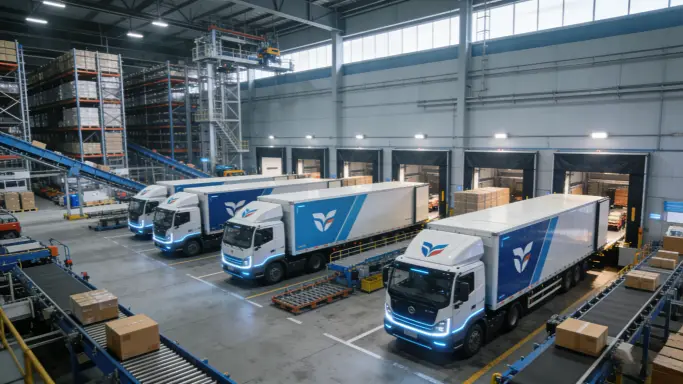
- Industrial real estate: Booming on reshoring, manufacturing upgrades and data center demand, with a sharp rise in net absorption, emerging as a star segment.
- Retail real estate: Shifting to small, mixed-use spaces, but recovery is slow due to tariff-driven cost hikes and weak consumer spending.
- Data centers: A hot commercial real estate track amid AI demand, yet constrained by power and land shortages.
- REITs: With 2025 fundamental improvements, 2026 will see more M&As; better global liquidity and valuation repair bring cyclical and structural opportunities for commercial real estate REITs.
Overall, the 2026 US commercial real estate market is in a recovery channel. While sectors advance at different paces and face challenges, lower interest rates, AI empowerment and a warming capital market inject sustained momentum, solidifying the long-term fundamentals of US commercial real estate.
Leave a Reply