
Starting in 2026, nearly 20 US states will officially raise their minimum wage standards, a move that will boost incomes for a large number of low-wage workers. In contrast, the US federal minimum wage has been fixed at $7.25 an hour since 2009, and its purchasing power has plummeted by more than 30% due to inflation. Local government measures to adjust wages have thus become an important breakthrough to address this situation.
State and Local Minimum Wage Standards Hit New Highs
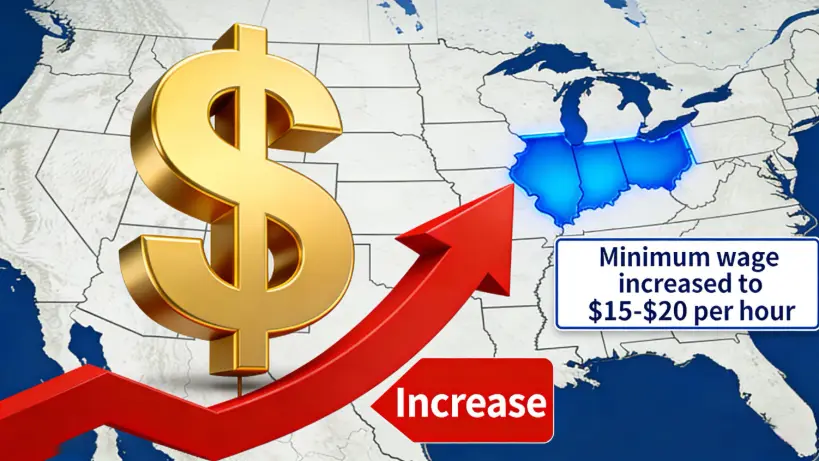
A total of 19 states, including Arizona, California, New York and Washington, are implementing the minimum wage hike policy this time. Washington State ranks as the US state with the highest minimum wage at $17.13 per hour; New York City enforces a $17 hourly rate, while other areas in the state stand at $16 per hour. Some cities have set standards far higher than state-level ones: West Hollywood in California has reached $20.25 an hour, and Tukwila in Washington State has set a national record with an hourly wage of $21.65.
8.3 Million Workers Benefit with Sharp Regional Disparities
This minimum wage increase is expected to benefit about 8.3 million US workers, adding a total of approximately $5 billion to their annual incomes. For the first time in the US, the number of workers covered by a minimum wage of $15 or more per hour has surpassed those covered by the federal $7.25 standard. However, the wage improvement shows obvious regional gaps. Twenty southern US states, which either have no minimum wage standard or set it below the federal level, mean local workers cannot reap the benefits of this salary adjustment.

Stagnant Federal Wage Standard, Local Measures Break the Deadlock
The US federal minimum wage has been in a prolonged freeze since 2009, a situation that has prompted state and local governments to take the initiative to introduce wage adjustment policies. Local initiatives are not only aimed at easing the financial pressure on low-income families, but also make the US wage policy show a distinct trend of “local first”, while highlighting the significant gap in wage governance between the federal and local governments in the US.
Leave a Reply